Skills Builder
Coppice Academy works with The Skills Builder Partnership to ensure every learner has opportunities to build eight essential skills to support them now and in the future. Research has shown that building these eight essential skills can support the emotional wellbeing and academic success of children and young people, as well as preparing them for life beyond school. The Skills Builder Framework takes each of these essential skills and breaks them down into sequential steps from expectations of children to a high level of mastery.
Essential Skills are defined as:
-
Listening
-
Speaking
-
Problem-solving
-
Creativity
-
Leadership
-
Teamwork
|
|
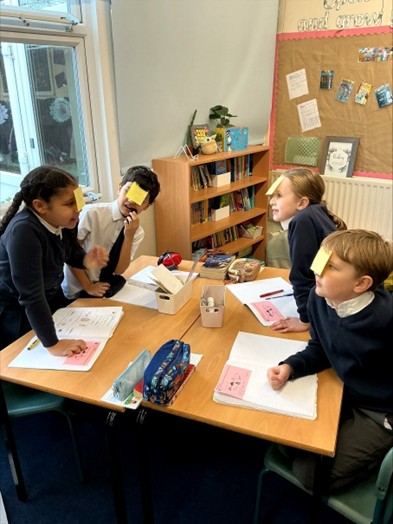
The receiving, retaining and processing of information or ideas This skill is all about being able to listen effectively to others. Initially when developing this skill we focus on remembering short instructions, understanding why others are communicating and picking out important information. We then look at how to demonstrate we are listening effectively, thinking about body language, open questioning and summarising and rephrasing. |
  |
|
 |
The ability to stay flexible and open-minded Adapting is a key skill. It involves being open to change, learning from experiences, and adjusting approaches when faced with new challenges. Developing adapting skills helps individuals stay resilient, think flexibly, and respond positively when things do not go as planned. By building confidence in adapting, learners become better problem-solvers who can embrace new opportunities and succeed in a rapidly changing world. |
  |
|
|
|
The oral transmission of information or ideas This skill is all about how to communicate effectively with others. Initially, this skill focuses on being able to speak clearly – first with a friend or someone we know well and in small groups, and then with those who are not known. The next stage is about being an effective speaker by making points logically, by thinking about what listeners already know and using appropriate language, tone and gesture. |
  |
|
|
|
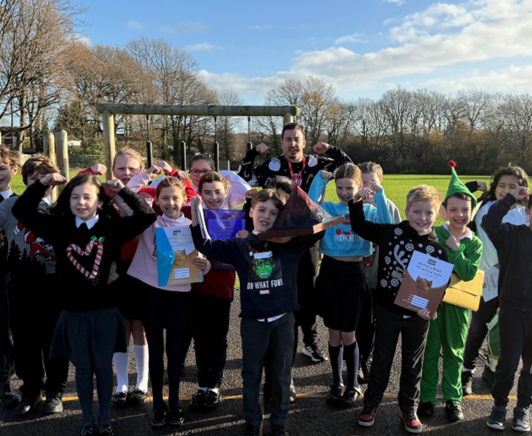
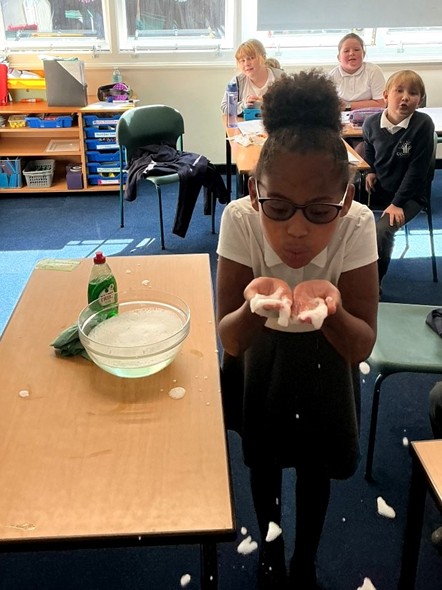
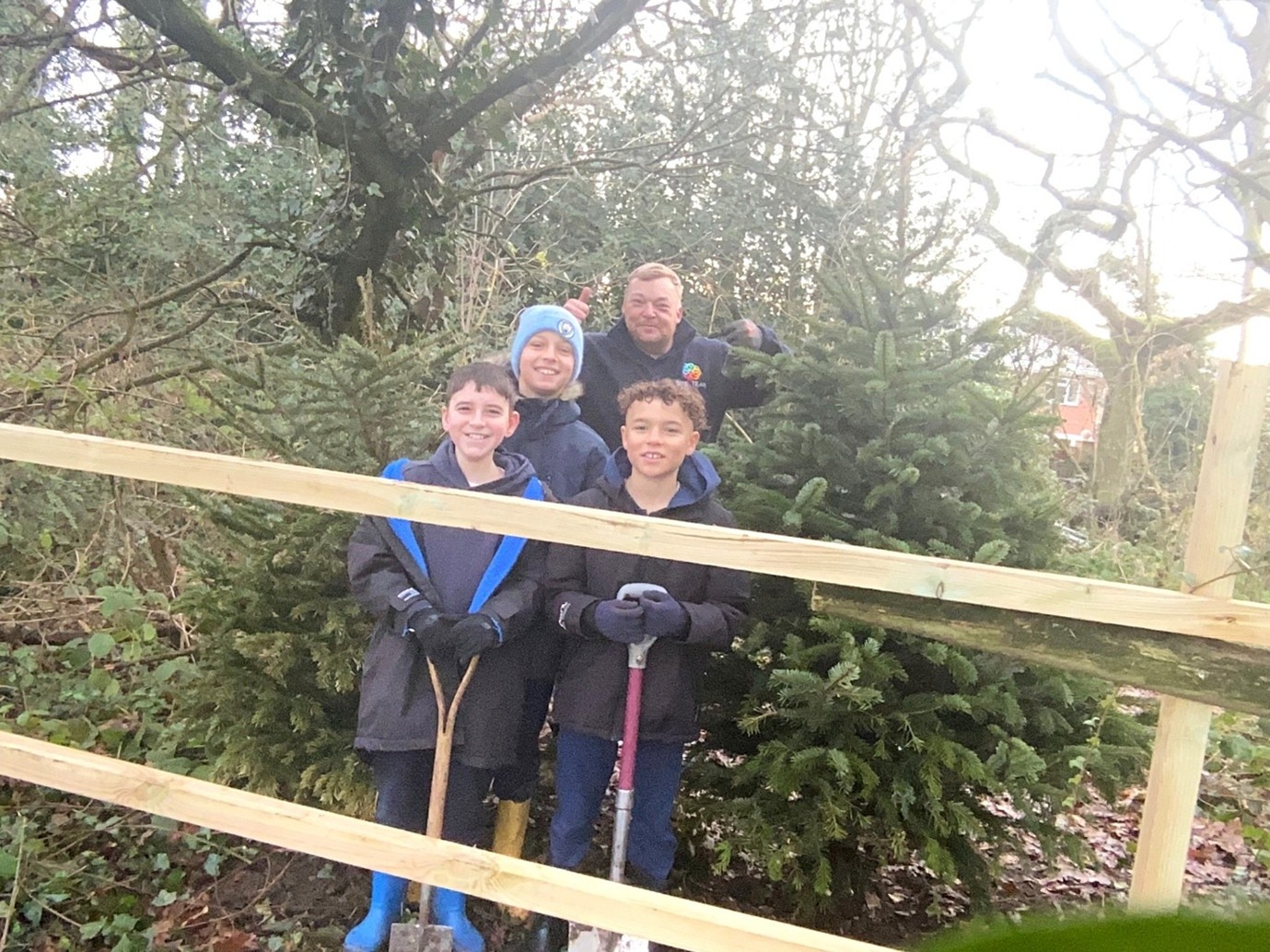
The ability to find a solution to a situation or challenge This skill focuses on how to solve problems, recognising that while part of Problem Solving is technical know-how and experience, there are also transferrable tools that individuals can develop and use. The first steps focus on being able to follow instructions to complete tasks, seeking help and extra information if needed. The next stage focuses on being able to explore problems by creating and assessing different potential solutions. This includes more complex problems, without a simple technical solution. |
   |
|
|
|
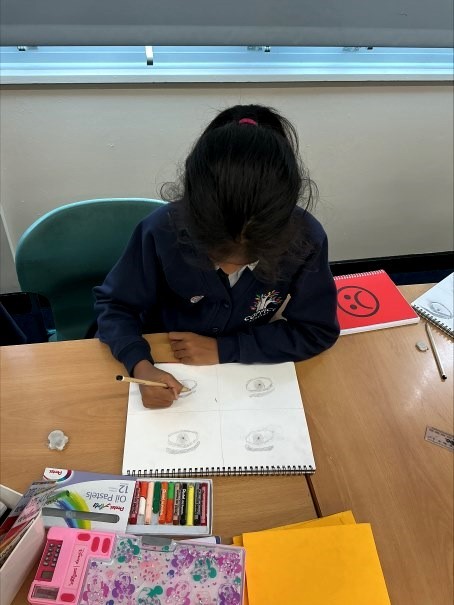
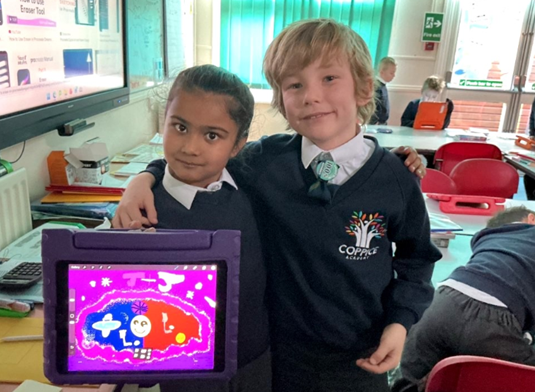
The use of imagination and the generation of new ideas Creativity is the complement to Problem Solving, and is about generating innovations or ideas which can then be honed through the problem-solving process. The first few steps focus on the individual's confidence in imagining different situations and sharing their ideas. The focus is then on generating ideas – using a clear brief, making improvements to something that already exists and combining concepts. |
   |
|
|
|
Supporting, encouraging and developing others to achieve a shared goal At the early stages of developing this skill, the focus is on basic empathy – understanding their own feelings, being able to share them, and recognising the feelings of others. The focus is then on managing working with others – dividing up tasks, managing time and sharing resources, managing group discussions and dealing with disagreements. |
|
|
|
|
|
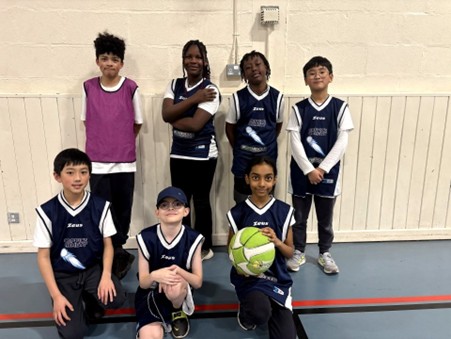
Working cooperatively with others towards a shared goal This skill initially involves understanding how to work with others in a positive way, behaving appropriately, being timely and reliable and taking responsibility for completing tasks. The next steps focus on making a contribution to a team through group decision making, recognising the value of others' ideas and encouraging others to contribute too. |
 |



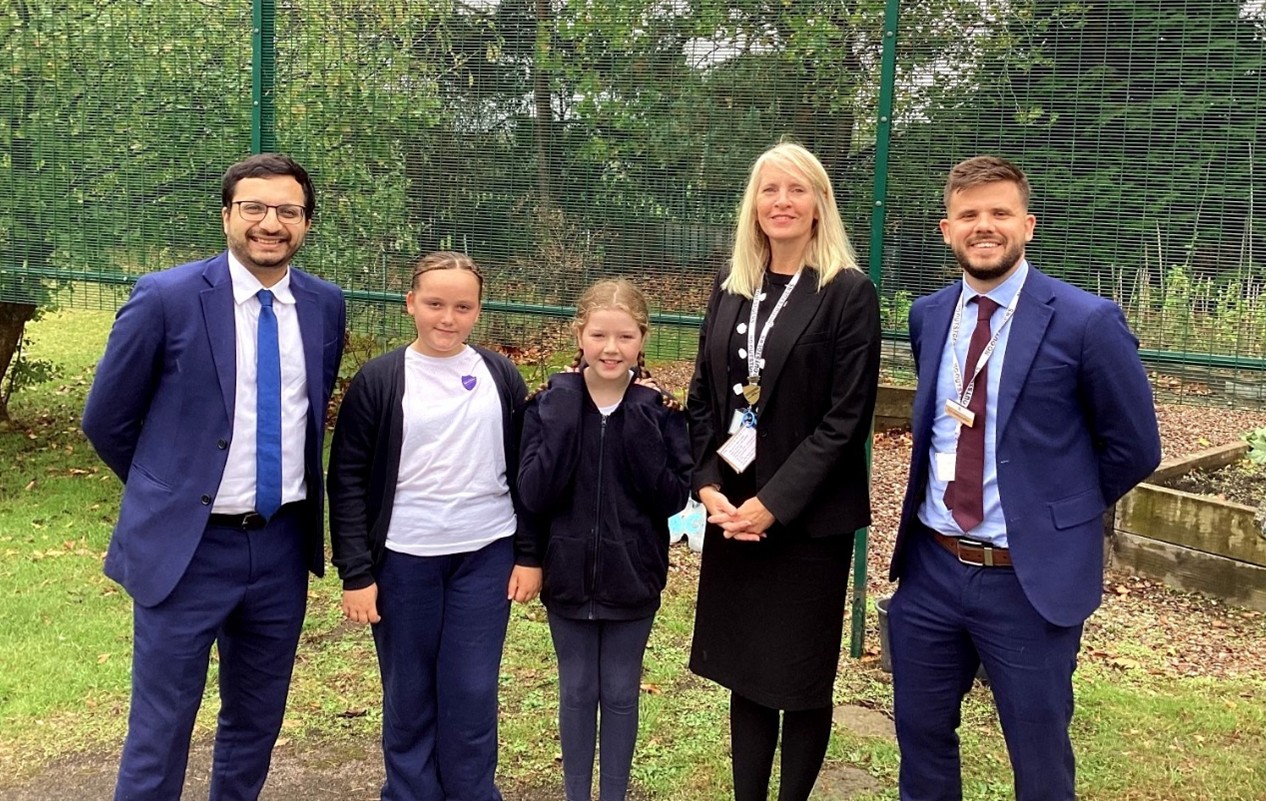
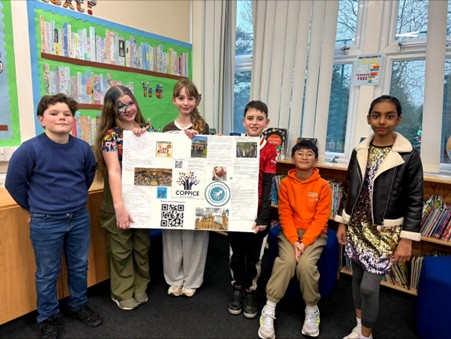
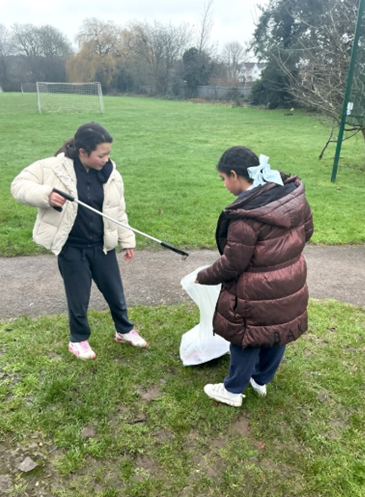
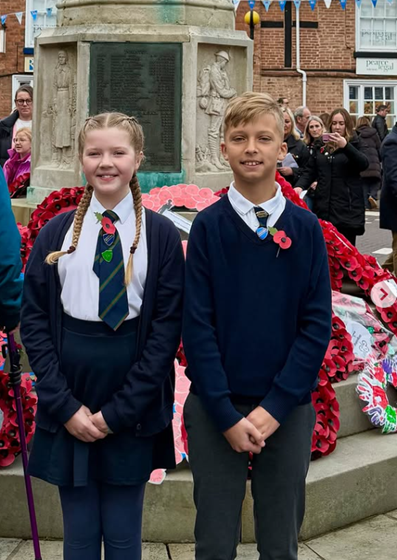
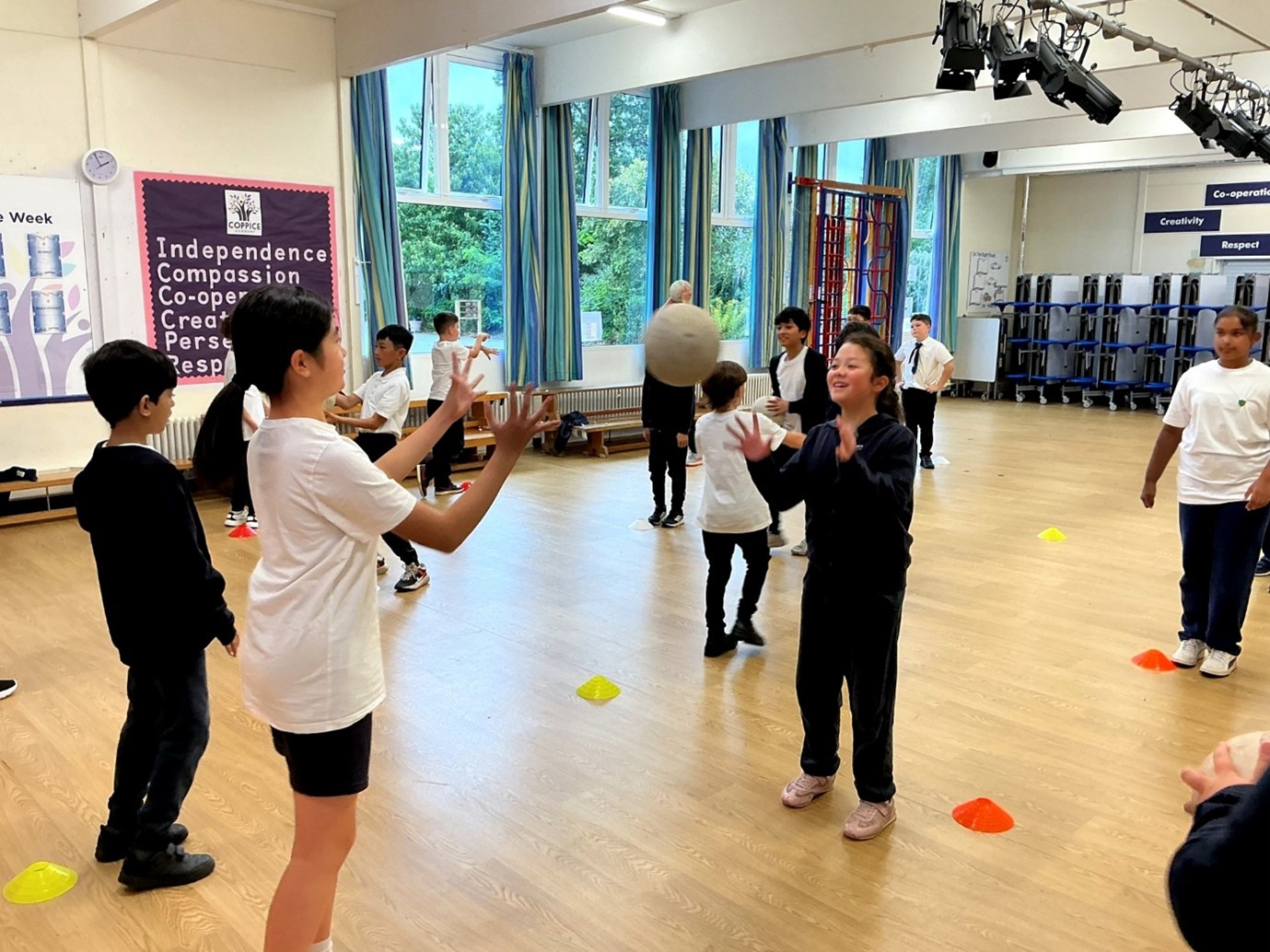
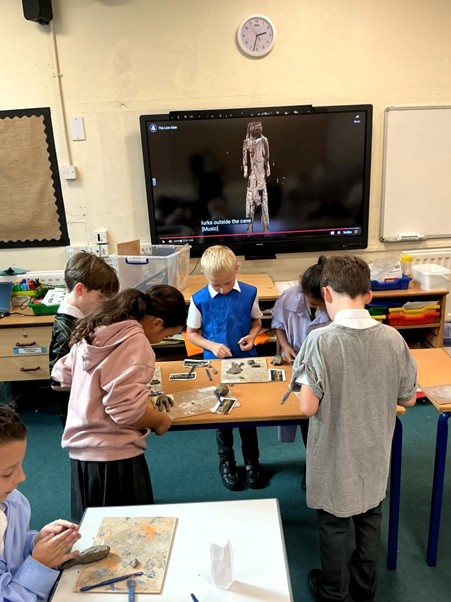
These skills are taught during discrete Skills Builder sessions each week, as well as being integrated into all lessons so that children are continuously working on them each day. The language of the essential skills are now part of our school vocabulary and links are made in all parts of the school day, for example assemblies. Children's progress towards mastering these skills is celebrated during the learning review process, where personal successes and next steps are identified.